Description
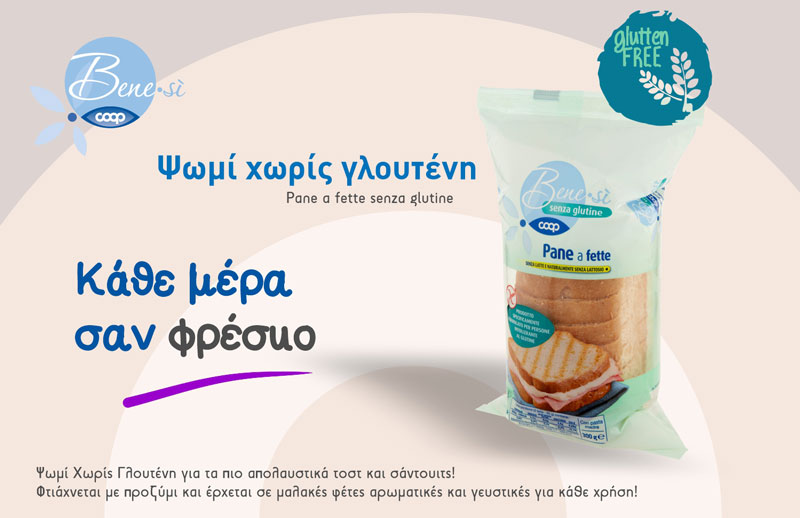
You can try BENE.SI Gluten-Free Bread in any way that suits you.
A Gluten-Free Bread with incredible taste to enjoy the most delicious toast or sandwiches!
And not only that! Impress yourself with the different ways you can enjoy BENE.SI Bread.
White corn
flour: Italy
Yellow corn
flour: Italy
Rice flour:
Italy

Water, corn starch, mother yeast 10% (water, rice flour, buckwheat flour, quinoa flour, yeasts), sunflower oil, sugar, soy proteins, psyllium fibers, thickeners: hydroxypropyl methylcellulose, guar gum; Yeast, Emulsifier: Mono- and Diglycerides of fatty acids. Salt, yeast extract, flavors.
Processed with ethyl alcohol on the surface
Soy, mustard, lupin
|
Nutritional value
|
per 100 g
|
per serving (33.4g)
|
AR % *
|
|---|---|---|---|
| Energy | 1820 kJ | 608 kJ | 7.2 % |
| Energy | 432 kcal | 144 kcal | 7.2 % |
| Fat | 11 g | 3.7 g | 5.3 % |
| of which saturated fatty acids | 2.4 g | .8 g | 4.0 % |
| Carbohydrates | 79 g | 26 g | % |
| of which sugars | 1.4 g | 0 g | 0.5 % |
| Fiber | 1.9 g | .6 g | % |
| Proteine | 2.5 g | .8 g | % |
| Protein | 2.4 g | .79 g | 13.2 % |
GLUTEN-FREE PRODUCT
Storage method
Keep the product in a cool and dry place.

GLUTEN-FREE
Products with zero gluten content
FREE FROM PRODUCTS
Protect consumers with allergies or sensitivities. Lactose-free – No eggs used – No yeast used
RICH IN NUTRIENTS
Products that have optimal nutritional elements. Options in products that are high in: fiber, polyphenols, beta-glucans, probiotics, etc.
Our diet is particularly important for our health, and more and more people are following criteria related to healthy eating when it comes to food choices. The Bene.sì range meets these specific needs, offering categories of products that are gluten-free, but also free from other additives, intended for those who want to take care of themselves daily.
Try BENE.SI Gluten-Free Bread for breakfast, lunch, or dinner.
Make a toast or a sandwich for a filling and healthy snack.
Gluten-Free Bread, made with sourdough for a unique taste!
Gluten-free Diet
Let's Start with the Basics...
The basics in our case are to explain what gluten is. Gluten is a protein consisting of an insoluble fraction of glutenin and the soluble gliadin. Normally, it is broken down in the small intestine by a peptidase which, when its activity is reduced or absent from the body, leaves it undigested, depositing it on the intestinal walls damaging the intestinal villi and hindering the absorption of nutrients such as sugars, amino acids, vitamins, minerals, and mainly lipids. One of the main characteristics of gluten and consequently of doughs is to create a network in the food molecules, a phenomenon characterized as visco-elasticity meaning the ability of some materials to stretch and change shape easily.
Where is gluten found?
Gluten is naturally found in wheat, rye, barley, oats, bulgur, couscous and is also found in products made from these grains, such as bread, pasta, breakfast cereals as well as cake, cookies, beer, some drinks. However, gluten can also be present in cold cuts, packaged cheeses, ready-made sauces, sweets, flavored yogurts, and various canned goods.
Thus it is essential to read the packaging and the label, to see if the product indeed contains gluten or if it is mentioned in any of the allergy indications, which are mandatory to be listed.
So why all the fuss about gluten?
So why all the commotion about gluten-free products? Do we all need them? The answer is yes, we need them, but not everyone. About 1% of the population suffers from a disease called gluten intolerance or celiac disease, and about 10% of the population from bowel diseases or some kind of intestinal sensitivity to gluten.
Individuals suffering from celiac disease, which is an autoimmune disease, and continue to consume gluten, show alterations in the intestinal mucosa and may cause the manifestation of diseases such as anemia, osteoporosis, diarrhea, growth delay, weight loss, and others.
- Foods that are naturally gluten-free: rice, potatoes, corn, quinoa, buckwheat, millet, soy, meat, fish, fresh fruits and vegetables, nuts, legumes, and dairy products
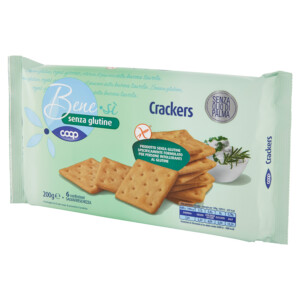
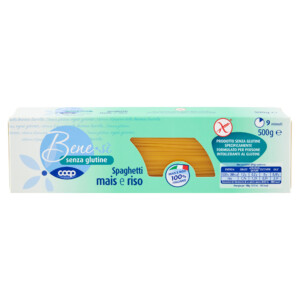
- Ranges of industrial gluten-free products, that bear the necessary “gluten-free” labeling such as gluten-free bread, pasta, cereals as well as cake, cookies, crackers, etc.
- Wine, coffee, tea, and all distilled beverages.


Reviews
There are no reviews yet.